
The first time you spin a reel and see your balance tick down in greenbacks instead of bucks, it feels a bit off. You know the payout rates, the bet sizes, and the bonus triggers, but the currency conversion muddies the whole picture. Local currency slot games AUD take that friction out of the equation, letting punters focus on the mechanics instead of the exchange rate. When the numbers on screen match the money in your pocket, the whole session runs smoother and the bankroll management actually makes sense.
It is easy to lose track of your actual spend when the numbers are fighting between denominations. Fortunately, finding a platform that clarifies the exchange rates can make the experience much smoother. You can test the clarity for yourself by playing the mega joker slot machine at https://mega-joker-au.net/pokie/.
Australian players have always had a strong preference for platforms that speak their language, and that goes beyond just slang. The local market has matured to the point where punters expect seamless deposits, familiar payment rails, and payout speeds that don’t leave you waiting on a Tuesday afternoon. Operators who lock in the AUD experience tend to keep players longer, because the whole flow feels native rather than imported. That’s the commercial reality behind the preference for dollar-denominated reels.
The shift toward locally priced gaming also lines up with how the broader gambling sector has restructured itself over the past decade. State-based licensing, responsible gambling mandates, and tighter advertising rules have pushed operators to tailor their offerings rather than run a one-size-fits-all global template. When a casino builds its slot floor around Australian dollar denominations, it’s usually signalling that it has done the homework on compliance, payment infrastructure, and player expectations. That setup tends to pay off in retention and lower support friction.
Two blokes at a café in Footscray were leaning over their flat whites and hashing out the whole dollar-versus-cent thing. One of them pointed out that he’d lost count of how many times a bonus round felt skewed just because the base bet was sitting in a foreign denomination, while the other reckoned the real win was simply not having to mentally convert every win and loss. They agreed that when the screen shows Aussie dollars from the first spin, the whole session feels less like a maths test and more like a proper punt.
Why dollar-denominated reels suit the local market
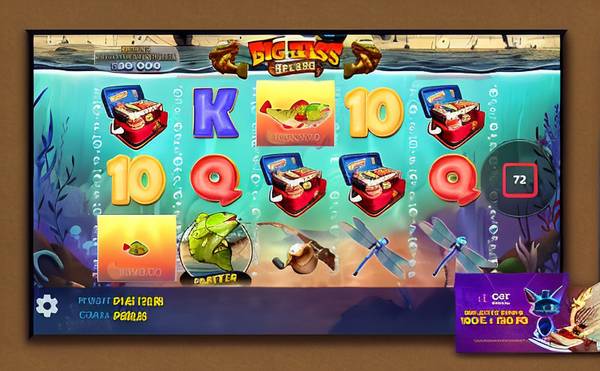
The Australian gambling landscape has always been shaped by geography and regulation, with each state running its own licensing framework and consumer protection rules. That patchwork means operators can’t just roll out a generic international product and expect it to land cleanly. Dollar-denominated reels fit into that reality because they align with the payment methods locals actually use, from POLi transfers to familiar card networks and newer digital wallets. When the denomination matches the deposit currency, the accounting on the player side stays straightforward and the operator side avoids a layer of FX handling that can complicate payouts.
Commercial analysis of the market shows that retention climbs when the user experience feels locally tuned. Players who deposit in AUD and see their balance, bet sizes, and win amounts in the same currency tend to track their session spend more accurately. That matters for responsible play as much as it matters for commercial performance, because clear denomination display helps punters set limits without doing mental currency conversions mid-spin. The operators who get this right usually see cleaner engagement metrics and fewer support tickets about mismatched balances.
The local currency slot games AUD setup also lines up with how Australian payment infrastructure has evolved. Domestic transfer methods, instant payout rails, and locally issued cards all expect transactions in dollars, so a casino that prices its reels in AUD removes a point of friction at both ends of the transaction. That doesn’t just make deposits smoother; it also makes withdrawals feel more predictable, which is a big deal for players who want to see their wins land without a conversion step hanging over the process.
How the AUD experience changes the session
When the reels are priced in Aussie dollars, the bet structure feels more intuitive for players who are used to local pricing conventions. A one-dollar spin, a two-dollar line bet, or a five-dollar max wager maps directly onto the kind of bankroll management Aussie punters already use. There’s no need to guess whether a hundred-unit bonus is worth a decent session or whether a progressive meter is actually climbing in meaningful terms. The numbers stay legible, and that legibility changes how people play.
Session flow improves when the denomination matches the player’s mental model of value. Instead of constantly translating between currencies, punters can focus on volatility, hit frequency, and feature triggers. That shift matters because slot play is partly about rhythm, and anything that interrupts that rhythm tends to shorten sessions or push players toward impulsive bet sizing. A clean AUD display keeps the focus on the game itself rather than on the currency layer sitting underneath it.
The experience also lines up better with how local promo mechanics are structured. Free spin offers, match bonuses, and cashback deals all read more naturally when the base currency is dollars, because the terms don’t require a conversion footnote to make sense. Players can compare offers against each other without wondering whether a seemingly generous bonus is being inflated by a weak exchange rate. That transparency tends to build trust, which is a practical advantage in a market where players have plenty of alternatives.
If you want to see how a clean dollar display looks in practice, the mega joker slot machine is a decent reference point for how denomination clarity can sit alongside classic reel mechanics. The game’s structure is straightforward enough that the currency layer doesn’t distract from the core loop, which is exactly the kind of setup that works when operators want the AUD experience to feel native rather than bolted on.
Payment rails and withdrawal speed in Australia
The payment side of the equation is where the AUD preference really earns its keep. Australian players have grown used to domestic transfer methods that move money quickly and without the layers of intermediation that show up in cross-border transactions. When a casino prices its slots in dollars and settles payouts in the same currency, the withdrawal path stays cleaner and the timing tends to be more predictable. That predictability matters to punters who want their wins to land without a conversion delay or a FX spread eating into the final amount.
Local operators who have invested in AUD-native payment flows usually see fewer dropped transactions and fewer support queries about mismatched deposit and withdrawal currencies. The commercial upside is straightforward: smoother rails mean fewer abandoned sessions, fewer frustrated follow-ups, and a cleaner reputation for payout reliability. In a market where players can move between platforms relatively easily, that kind of operational polish is a real differentiator.
The broader Australian market has also pushed operators toward clearer transaction reporting, which fits neatly with dollar-denominated gaming. When deposits, bets, and withdrawals all sit in the same currency, the transaction history reads as a single coherent record rather than a mix of converted amounts and rounding artefacts. That clarity helps with personal bankroll tracking and makes the whole account experience feel more transparent, which is exactly the direction the local regulatory environment has been nudging the industry.
Bonus terms and the AUD clarity factor
Bonus offers are where currency clarity does a lot of heavy lifting. A match bonus or free spin package reads very differently when the underlying denomination is AUD, because the wagering requirements and win caps line up with the player’s actual deposit currency. When the numbers are in dollars from the start, punters can compare the real value of one offer against another without having to factor in exchange rate noise. That makes the promo landscape easier to navigate and reduces the chance that a player misreads the terms and walks away disappointed.
The clarity factor also helps operators structure offers that feel fair rather than gimmicky. When the bonus currency matches the deposit currency, the wagering math stays consistent and the contribution rates across different game types make more sense to the player. That consistency tends to improve acceptance rates, because punters can see the path from bonus to withdrawable balance without a conversion step muddying the picture. In a competitive market, that kind of straightforwardness is a practical advantage.
Players who care about responsible play also benefit from the cleaner terms. When the bonus, the wagering requirement, and the maximum bet limits are all expressed in Aussie dollars, it’s easier to set a session budget and stick to it. The whole structure feels more legible, which supports better decision-making during play. That’s a subtle point, but it matters in a market where operators are expected to show that their promo mechanics don’t push people into losing track of their spend.
Market positioning and the Joe Fortune comparison
The competitive landscape in Australia has settled into a shape where the top operators differentiate themselves through local tuning rather than just raw game counts. Platforms that price their reels in AUD, support domestic payment methods, and present bonus terms in the same currency tend to hold their own better than those running a generic global template. The commercial logic is simple: a locally aligned experience reduces friction, and reduced friction usually shows up in longer sessions and stronger repeat visitation.
Joe Fortune has carved out a position among the leaders of the Australian market by leaning into that kind of local alignment. The platform’s slot floor, payment options, and promo structure all point toward an experience that feels tuned for Aussie players rather than adapted after the fact. In a comparison of market leaders, that local-currency focus stands out because it signals that the operator has built its flow around the way Australian punters actually deposit, play, and withdraw. Griffithreview
The comparison picture looks something like this in practice. Joe Fortune sits among the Australian market leaders with a slot lineup that prices its reels in AUD, a payment setup that leans on domestic rails, and bonus terms that read cleanly in the same currency. Other strong operators in the space tend to compete on game volume or promotional aggression, but the ones that keep the dollar experience consistent usually win on usability and retention. That’s the practical takeaway when you line up the market leaders side by side.
Responsible play and the clarity of local denominations
Clear denomination display has a real role to play in responsible gambling, and the AUD setup supports that by keeping the numbers legible throughout a session. When bet sizes, balance updates, and win amounts all appear in the player’s own currency, it’s easier to keep track of how a session is tracking against a pre-set limit. That matters because one of the common friction points in online play is losing sight of spend when the display keeps shifting between currencies or rounding in ways that obscure the actual amount.
Australian regulators and consumer advocates have increasingly emphasised transparency in how gambling products present their costs and outcomes, and dollar-denominated reels fit into that expectation. A clean local currency display reduces the chance that a player misreads a bet size or underestimates a session total because of conversion noise. That doesn’t solve the broader responsible play challenge, but it does remove one source of confusion that can make bankroll management harder than it needs to be.
The practical effect shows up in how players structure their sessions. Punters who can see their spend in Aussie dollars from the first spin tend to set limits more confidently and stick to them more consistently, because the numbers on screen match the numbers in their head. That alignment supports better self-management and makes the whole experience feel more grounded, which is a sensible direction for any operator trying to build a sustainable local presence.
The conversation at the backyard barbie drifted back to the whole currency question after a few snags hit the grill. One of the mates said he’d finally stopped chasing platforms that made him do mental maths mid-spin, while the other pointed out that the real win was simply seeing his balance and his wins in the same dollars he’d deposited with. They both agreed that when the reels run in Aussie currency from the start, the session feels less like a translation exercise and more like a proper punt on familiar terms.